Start Here: Plan Your First Seoul Trip
Source check: 6 October 2026, using VisitKorea, Visit Seoul, the Seoul Metropolitan Government, AREX and Incheon International Airport Corporation. Hours, fees and fares change, so confirm them with the operator before you go.
First-time visitors usually get stuck on the same few decisions: how to get in from the airport, how to move around, where to spend each day and how many places to fit in. This page puts those decisions in order, summarizes what the official sources say about each one, and links to the full guides.
Step 1: Get in from Incheon Airport
Two AREX trains run between Incheon Airport and Seoul on the same tracks. The Express runs non-stop to Seoul Station and, according to AREX, takes 43 minutes from Terminal 1 and 51 minutes from Terminal 2. The All-Stop calls at every station on the line, so it reaches places such as Hongik University without a transfer, and AREX lists 59 minutes to Seoul Station from Terminal 1 and 66 minutes from Terminal 2. The Express needs a separate ticket, and the All-Stop works with an ordinary transit card.
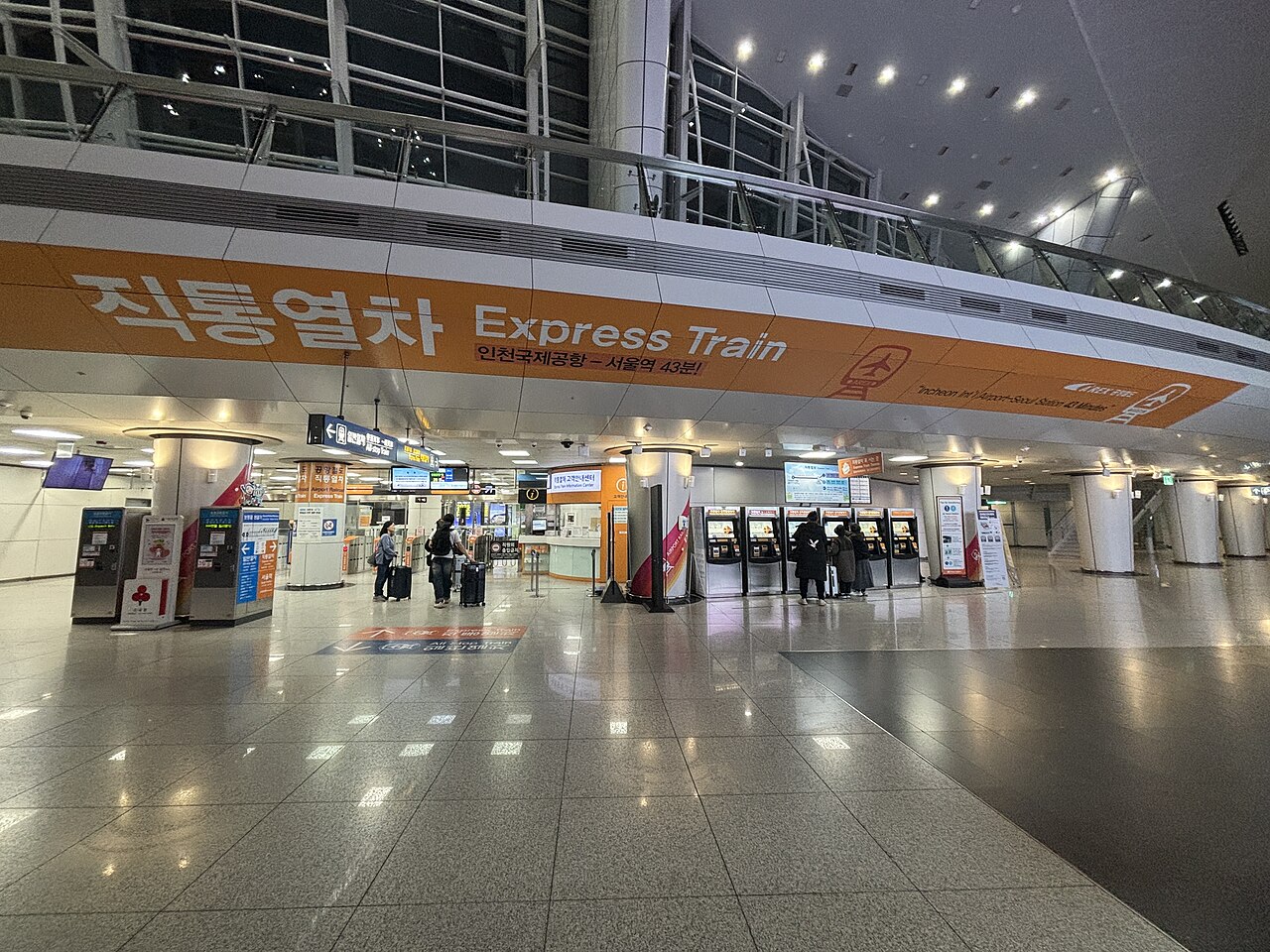
Which one suits you depends mostly on where you are sleeping. Our guide to AREX Express vs All-Stop compares fares, the weekday timetable and five common arrival situations.
Step 2: Learn the subway before you land
Seoul is a city you will mostly cross by subway, so it pays to understand the map early. Our guide to How to Use the Seoul Subway Map explains the four questions that unlock any journey: your starting station, the line you need first, the direction you are traveling, and where you transfer or exit. It also shows how station numbers, such as Anguk on Line 3 or Myeongdong on Line 4, can be faster to recognize than English names.
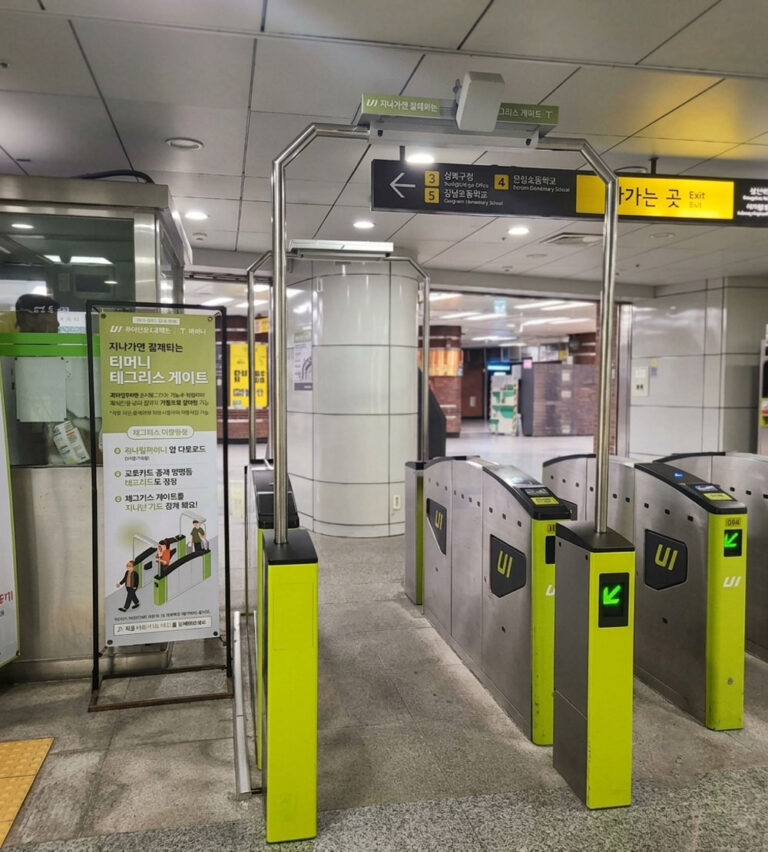
On paying for rides, the Seoul Metropolitan Government says Tmoney cards are sold at convenience stores and subway stations. A single-journey transit card carries a refundable 500 won deposit, works for the subway only and gives no bus transfer. Since 17 March 2026, the city reports, 440 new vending machines at 273 stations on Lines 1 to 8 accept international credit and debit cards, and they sell single-journey cards and Climate Card passes of one, two, three, five and seven days, with an average service fee of about 3.7% on international cards. Not every machine has this function, so check the payment logos.
Step 3: Pick a neighborhood for each day
Seoul works best when you group each day around one area instead of crossing the city twice. Three areas come up on most first trips, and each answers a different question.
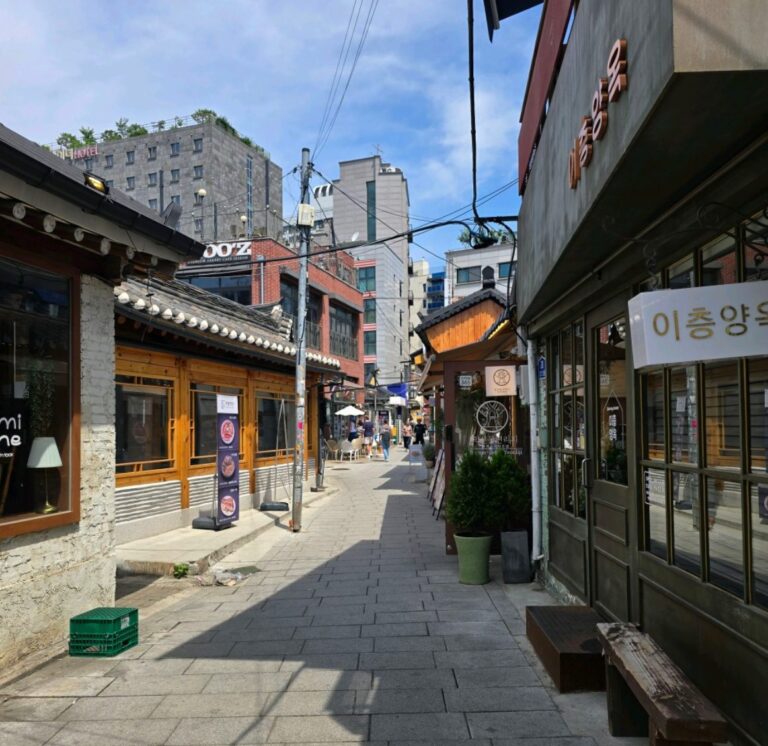
- Jongno: Ikseon-dong and Bukchon. Ikseon-dong Hanok Village sits near Jongno 3-ga Station on Lines 1, 3 and 5, and the guide suggests walking on to Jongmyo Shrine, Changdeokgung Palace or Insa-dong rather than crossing town for a second attraction. VisitKorea describes nearby Bukchon Hanok Village as a residential neighborhood of hundreds of traditional houses dating back to the Joseon dynasty, and lists visiting hours of 10:00 to 17:00 for the road along Bukchon-ro 11-gil.
- Myeongdong. VisitKorea calls Myeong-dong one of Seoul’s primary shopping districts, with department stores such as Lotte and Shinsegae, and Visit Seoul lists the nearest station as Myeongdong on Line 4, Exits 5 to 10. Hours vary by store. The Myeong-dong Tourist Information Center, run by the Seoul Metropolitan Government, is 211 meters from Exit 5 of Euljiro 1-ga Station on Line 2. It is open 09:00 to 18:00, is closed on Lunar New Year and Chuseok days, and offers travel information and accommodation inquiries free of charge.
- Hongdae. VisitKorea describes Hongdae as a neighborhood with a youthful atmosphere, shops, unique cafés and restaurants, buskers and dance performances, and streets such as Picasso’s Street and Club Street. Hongik University Station connects to Line 2, the Gyeongui-Jungang Line and AREX, which is why it is a convenient base from the airport.
Ask three questions of any area: how long you will realistically spend there, including a meal or café stop; which station and exit are closest; and what else is within walking distance so that you do not need another subway ride. A longer comparison of Myeongdong and Hongdae as places to stay is in preparation. For night routes and quieter neighborhoods beyond the center, see Seoul, a Little Differently.
New to the word hanok? Our guide to what a hanok is explains how these traditional houses are built and why a tiled roof is not the only kind.
Step 4: Build days you can actually finish
A good Seoul day has one anchor, one meal you are looking forward to, and slack for queues and detours. Popular streets are crowded at peak hours, and every business sets its own opening times, so check a specific venue before making a special trip. Neighborhood rules can also change; Bukchon’s visiting hours are one example. We give a source-check date in each guide because prices, schedules and access conditions change.
Step 5: Plan the way out
If you leave Korea from Incheon, the Seoul Station city airport terminal can save time. Located on the second basement level of Seoul Station, it is open only to passengers holding an AREX Express ticket and offers check-in, baggage drop-off and departure immigration. Incheon Airport Corporation lists check-in from 05:20 to 19:00 and says it closes three hours before departure for Terminal 1 flights. Airlines take part individually, so confirm that yours does. The details are in the AREX guide.
Browse by topic
Our guides are grouped into a few categories as the library grows:
- Local guides for neighborhoods and places
- Transport comparisons for getting around and between cities
- Stay comparisons for choosing a base
- Destination comparisons for deciding where to go
- Itineraries for ready-made day plans
- Korean culture for the context behind what you see
In preparation
These guides are planned for the Seoul series, in roughly the order a trip is planned:
- Choosing a base: Myeongdong or Hongdae, and a hanok stay versus a modern hotel
- Tmoney versus the short-term Climate Card
- A flexible five-day Seoul itinerary
- The last day: luggage storage, and KTX versus long-distance buses for onward travel
How we write these guides
Every guide separates official information from editorial judgment, and we do not invent personal experiences. Read more in our editorial policy, or send a correction through the contact page.