Seoul, a Little Differently: Night Walks, Seongsu, Dongmyo and Yeonhui-dong
In this guide
- Seoul after dark for the first time: Gyeongbokgung to DDP
- A more local Seoul at night: Haebangchon to Gyeongnidan
- Looking down on Seoul from somewhere other than Namsan
- Curious about today’s Seoul? Seongsu
- Looking for an older Seoul? Dongmyo
- Museum and river in one day: Yongsan and Ichon
- What to eat on a first visit
- Away from the crowds: Yeonhui-dong
- So which one should you choose?
- A different way to travel Seoul
- How we checked the information
- Sources
- About Korea Decoded
Source check: 6 October 2026. Hours, closing days, fees, exhibitions, performances and seasonal events can change. For any place that matters to your plan, confirm the latest details on its official channel before you go.
On a first trip to Seoul, the names that come to mind are Gyeongbokgung, Myeongdong, Namsan and the Han River. The city is harder to see just by ticking off famous sights. You walk through a palace, then turn into an old alley. After dark you follow Cheonggyecheon Stream, or look out over the evening from a hill in Haebangchon. One day you meet today’s Seoul in Seongsu, and on another you browse the old market of Dongmyo.
Adding one neighborhood and one walk to a day’s plan changes how the city looks. Here are places to add to a Seoul itinerary, grouped by travel style. For the routes and practical details, we drew on Visit Seoul’s “Seoulites’ Picks” articles and checked hours and closing days against each place’s official channel, then added our own editorial view on routes and choices.
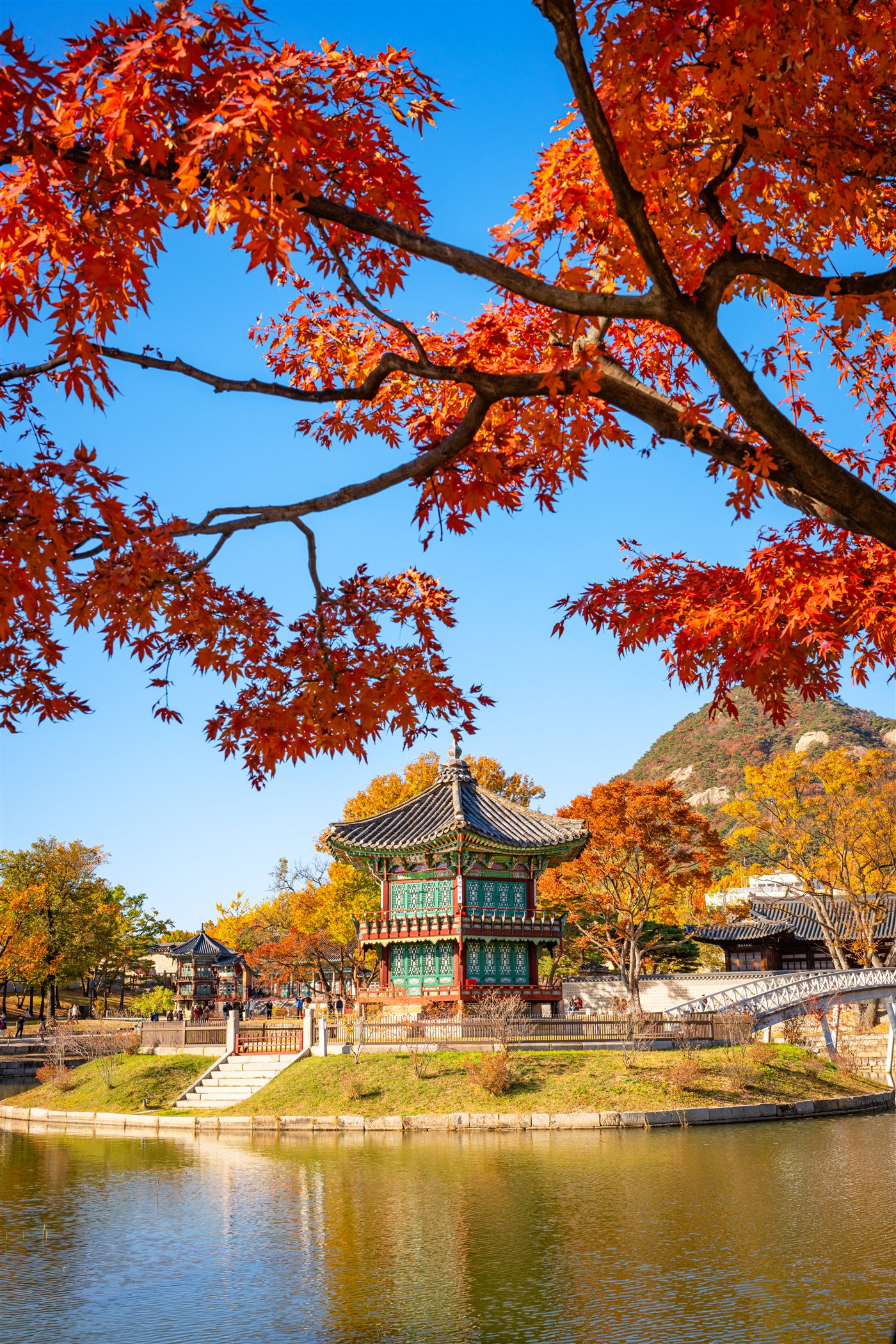
Seoul after dark for the first time: Gyeongbokgung to DDP
Central Seoul feels quite different by day and by night. The stretch from Gyeongbokgung through Gwanghwamun, Ikseon-dong and Cheonggyecheon to DDP shows traditional and modern Seoul in one outing.
Gyeongbokgung Palace
It is hard to skip on a first visit. The nearest stations are Gyeongbokgung on Line 3 and Gwanghwamun on Line 5: about 471 meters from Exit 2 of Gwanghwamun Station, and about 492 meters from Exit 5 of Gyeongbokgung Station. Opening hours change with the season:
- January and February: 09:00 to 17:00
- March to May: 09:00 to 18:00
- June to August: 09:00 to 18:30
- September and October: 09:00 to 18:00
- November and December: 09:00 to 17:00
The palace is regularly closed on Tuesdays, so keep that in mind when you plan. If night viewing is being held, an evening visit is worth considering. It is not a permanent program, so check the latest schedule for the date of your visit.
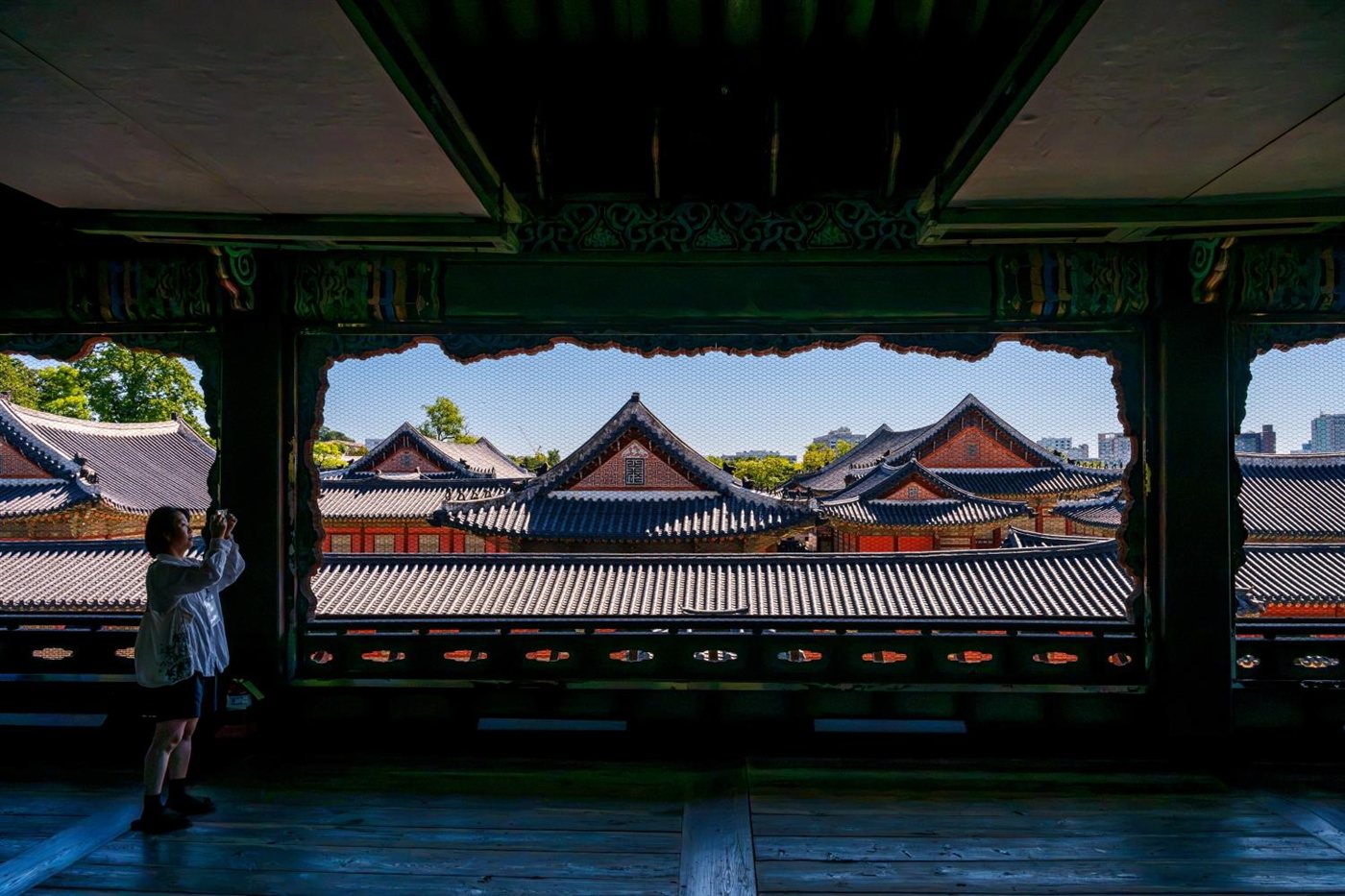
Gwanghwamun Square
A natural next stop after the palace. It is about 235 meters from Exit 2 of Gwanghwamun Station, and the square has statues of King Sejong and Admiral Yi Sun-sin. The square is open around the clock all year. If you are interested in history, the National Museum of Korean Contemporary History is nearby. It generally runs 10:00 to 18:00, stays open until 21:00 on Wednesdays and Saturdays, and is free.
Ikseon-dong
For the alleys of Seoul, head to Ikseon-dong, about 123 meters from Exit 4 of Jongno 3-ga Station. Renovated hanok hold cafés, restaurants and small shops along narrow lanes. Most shops and restaurants open roughly between 11:00 and 22:00, though hours differ by venue. It works by day, but the mood changes in the late afternoon and evening as the lights come on. Our guide to Ikseon-dong Hanok Village covers the neighborhood in more detail.
Cheonggyecheon Stream
If you had dinner in Ikseon-dong, walk down to Cheonggyecheon. It runs through the middle of downtown, yet it sits one level below the road, so the traffic fades while you walk. Depending on the time of year, there may be night lighting, media shows and seasonal events.
Dongdaemun Design Plaza (DDP)
DDP makes a good last stop for a night in the center. It is very close to Exit 1 of Dongdaemun History & Culture Park Station. The huge curved building designed by Zaha Hadid is unusual by day and looks completely different once the lights come on. If there is an exhibition or event, go inside. Even without one, walking around the outside and the surrounding spaces is enough.
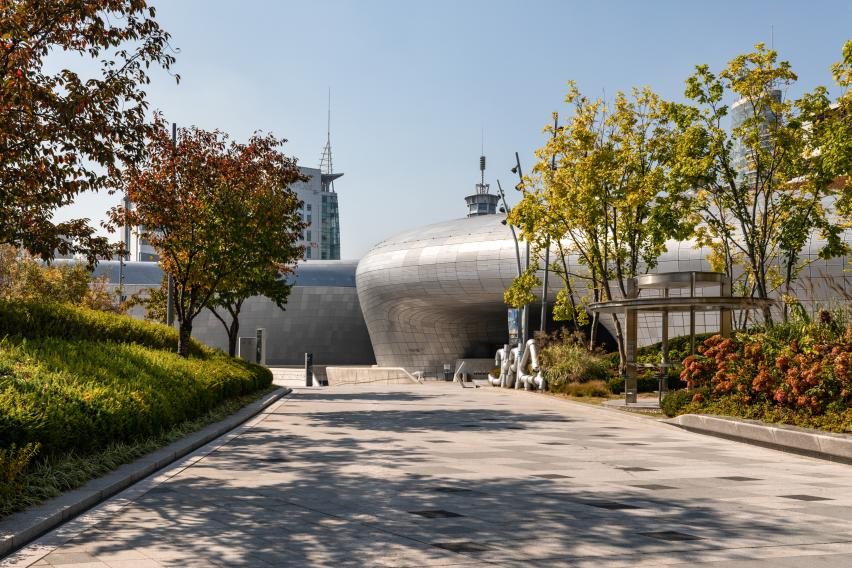
Our suggested route: Gyeongbokgung, Gwanghwamun Square, Ikseon-dong, Cheonggyecheon, DDP. It is one of the easiest ways to build an evening if you are not sure where to spend your first night.
A more local Seoul at night: Haebangchon to Gyeongnidan
If you prefer alleys and hillsides to the bright center, turn toward Yongsan. Haebangchon and Gyeongnidan-gil show a very different Seoul from the areas around Gyeongbokgung or Myeongdong.
The Haebangchon 108 Steps
A good starting point for a walk. It is about 942 meters from Exit 3 of Sookmyung Women’s Univ. Station on Line 4. A small inclined elevator runs beside the steep stairs. Haebangchon is not flat, so wear comfortable shoes.
Shinheung Market
Further into Haebangchon you reach Shinheung Market. New cafés, restaurants and spaces have settled into the traces of an old market and given it a distinct feel. Individual shops keep their own hours, so if you are heading for one place, check before you go.
Haebangchon at sunset
The drawback and the charm of Haebangchon is its hill. The climb is tiring, but from the top you can look down over the city. If you plan to use a rooftop space, arrive a little before sunset to see both the daytime view and the night view.
Gyeongnidan-gil
Finish by walking down to Gyeongnidan-gil for dinner or a drink. It is about 788 meters from Exit 2 of Noksapyeong Station on Line 6. If you are curious about Korean alcohol, look for a place that specializes in makgeolli or traditional spirits.
This route suits travelers who like to walk, rest and enjoy the evening mood of a neighborhood more than those who want to cover famous sights quickly.
Looking down on Seoul from somewhere other than Namsan
Namsan is the first place most people think of for a view. Seoul has other places that show the city differently.
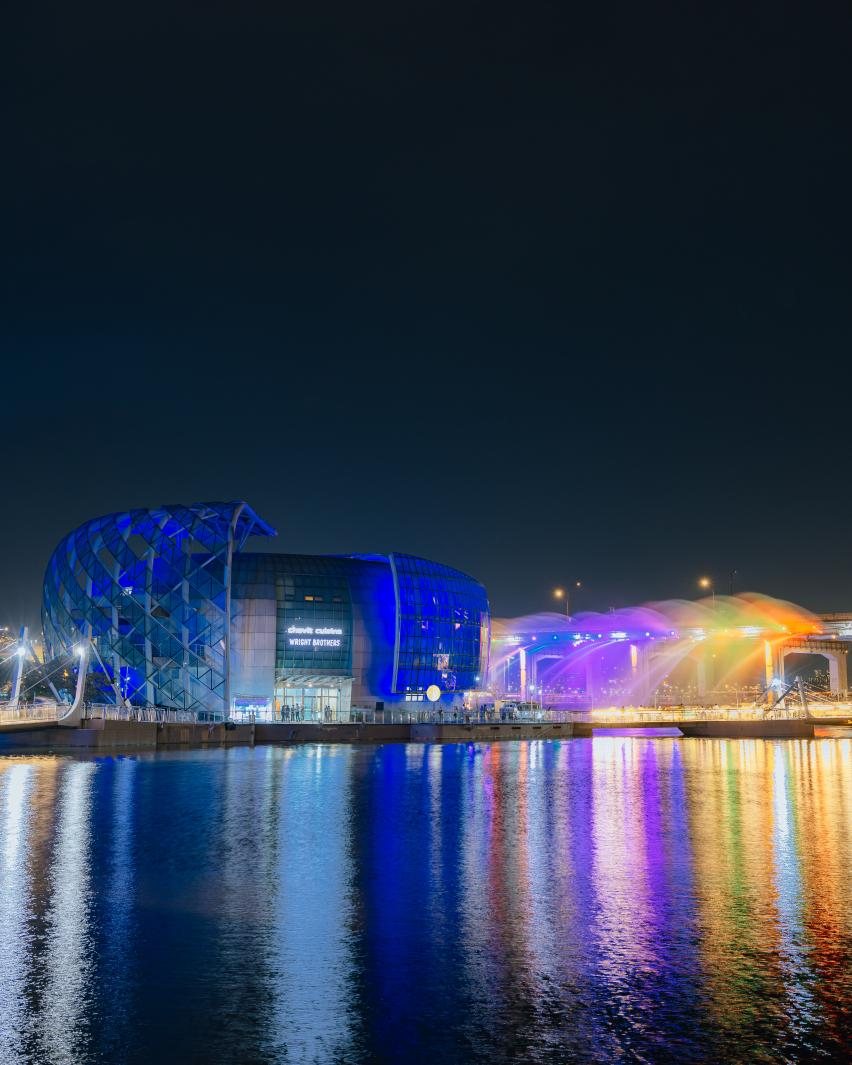
Gyeongchun Railway Bridge Music Fountain
A former railway bridge over Jungnangcheon Stream in Nowon-gu, now used for a show of fountains, music, lights and lasers. Under the October 2026 schedule it runs Tuesday to Sunday at 19:00, once a day for about 20 minutes. It does not run on Mondays or in the rain. Show times change with the season, so check the latest information before you go. The nearest station is Wolgye on Line 1.
Yongmasan Skywalk Observatory
If you want a forest walk along with the view, Yongmasan is the choice. It is on section 4 of the Seoul Dulle Trail, a wooden walkway about 160 meters long and about 10 meters above the forest floor. Walking from Sagajeong Station takes about 50 minutes, so this is less a quick stop than a trek for travelers who want to hike in Seoul.
63 Sky Picnic
If you want to see the Han River and the Seoul skyline from height without much walking, the 63 Building is an option. You can look down over the river and Yeouido from a high floor, so pick a clear day. Hours and admission conditions for paid attractions can change, so check the official notice on the day.
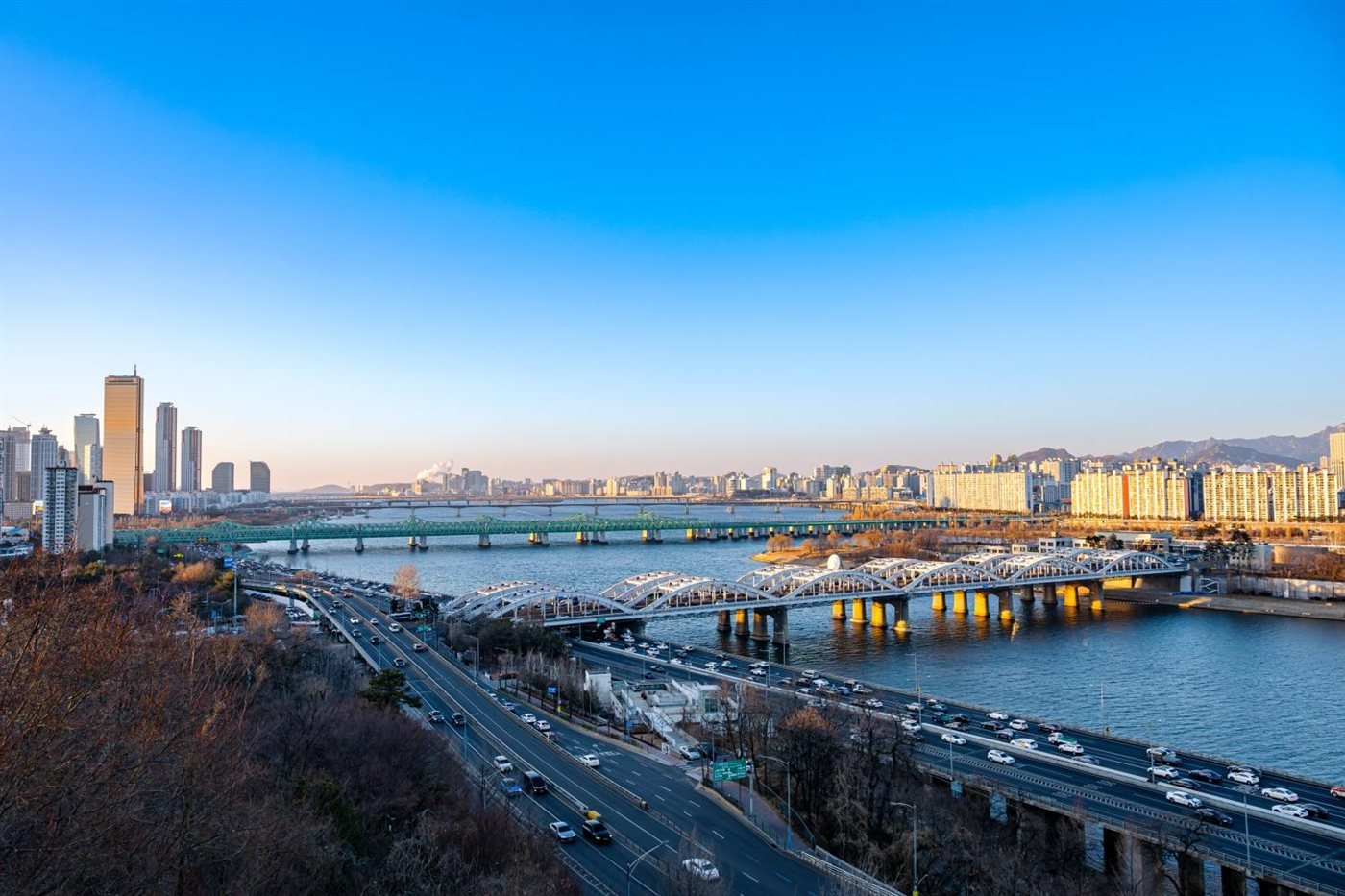
Curious about today’s Seoul? Seongsu
Seongsu has changed faster than almost any other part of Seoul in recent years. Cafés, fashion brands, beauty spaces, exhibitions and pop-up stores have moved in among old factories and warehouses and created a scene you will not find elsewhere.
AMORE Seongsu
A stop for anyone interested in beauty. It is about 264 meters from Exit 2 of Seongsu Station. Listed hours are Tuesday to Sunday 10:30 to 20:30, closed Mondays. Some personalized programs may need a reservation in advance.
Yeonmujang-gil
Rather than aiming at one place in Seongsu, walk slowly along Yeonmujang-gil. Brand stores, cafés and pop-up spaces keep changing, so the feel is different each time.
Seoul Forest and D Museum
If you have time, walk toward Seoul Forest. If you like exhibitions, check what is on at D Museum. Its days and hours depend on the exhibition, so confirm before you go.
Seongsu is less a place to see one thing than a district to walk through.
Looking for an older Seoul? Dongmyo
If Seongsu shows the Seoul of now, Dongmyo shows the Seoul of another time.
Dongmyo Flea Market
Easy to reach, close to Exit 3 of Dongmyo Station. Along the streets and alleys you can find everything from vintage clothing to old household goods, much of it unexpected. The market and shops are generally busiest in the daytime, but individual shop hours are not fixed.
Walking on to Changsin-dong
A little further on you can reach the Changsin-dong stationery and toy wholesale market. If you like vintage clothes, old cameras or records, wandering Dongmyo and Changsin-dong is a trip in itself. The fun here is in going through the alleys looking for something you like, not in following a set route. If you enjoy vintage shopping, leave more time than you expect.
Museum and river in one day: Yongsan and Ichon
If it is too hot or too cold for a long day outdoors, connect the National Museum of Korea with the Han River.
National Museum of Korea
Easy to reach from Ichon Station. Admission to the permanent exhibitions is free. The official hours are:
- Monday, Tuesday, Thursday, Friday and Sunday: 09:30 to 17:30
- Wednesday and Saturday: 09:30 to 21:00
For travelers new to Korean history and art, allow more time than you expect.
Ichon Hangang Park
After the museum, head to the river. Ichon Hangang Park feels relatively calm compared with Yeouido or Banpo. We suggest finishing the museum in the late afternoon and walking to the river around sunset. Park use and parking-lot hours differ, so if you drive, check the parking hours separately.
Suggested route: National Museum of Korea, Ichon Hangang Park, Han River sunset. The best thing about this course is that it mixes indoor and outdoor time.
What to eat on a first visit
On a Seoul trip, food is more than a meal. If Korean food is new to you, start with these.
Kimchi
To see kimchi as a part of Korean food culture, not only as a dish, visit Museum Kimchikan in Insa-dong. Listed hours are Tuesday to Sunday 10:00 to 18:00, with last admission at 17:30. It closes on Mondays and on some public holidays.
Samgyetang
A young chicken stuffed with rice and ginseng and simmered. Unusually, Koreans tend to eat it in hot summer, rather than on cold days, to restore their strength. On the day you visit Gyeongbokgung, a samgyetang restaurant nearby fits well into the schedule.
Naengmyeon
Naengmyeon is more than “cold noodles.” The two classic styles are Pyeongyang and Hamheung, and they differ considerably in broth, seasoning and the texture of the noodles. Try one, then see which style you prefer.
Gimbap at Gwangjang Market
For a market meal, go to Gwangjang Market. You can try small gimbap, bindaetteok, seasoned raw beef (yukhoe) and more in one place, which is convenient for first-time visitors.
Chimaek by the Han River
“Chimaek” is chicken and beer. On a nice day, eating chicken by the river at Banpo Hangang Park is something worth trying in Seoul. Think of the Han River parks as everyday public spaces where Seoulites walk, exercise and rest, not as a 24-hour tourist facility.
Away from the crowds: Yeonhui-dong
After a few days at famous sights you may want somewhere quieter. Yeonhui-dong and the Hongjecheon Stream area are a choice.
Yeonhui Forest Rest Area
A good place for an easy walk on the slope of Ansan. It offers woods and paths without taking you far from the city.
Hongje Waterfall
An artificial waterfall on Hongjecheon Stream. Cafés and cultural spaces around it have recently made the area a new place to rest. You can sit by the waterfall, then walk toward Yeonhui-dong to browse small shops and cafés.
Yeonhui-dong is not an area with attractions right outside a subway exit. You often need a bus from Hongje Station or Hongik University Station. That is also why it gives you a slower Seoul than Seongsu or Ikseon-dong.
So which one should you choose?
You do not need to go everywhere. We suggest choosing the area that fits your travel style and adding it to your existing plan.
- If it is your first time in Seoul: Gyeongbokgung, Gwanghwamun, Ikseon-dong, Cheonggyecheon, DDP. It links traditional and modern Seoul most naturally.
- If you want to take your time with the evening: Haebangchon, Shinheung Market, Gyeongnidan-gil. Hills, alleys, sunsets and night views make up this route.
- If you are curious about Seoul now: Seongsu, Seoul Forest. Cafés, fashion, beauty, pop-up stores and Seoul’s new commercial culture.
- If you like vintage and old alleys: Dongmyo, Changsin-dong. Old markets, objects and unexpected street scenes.
- If you want a museum and the Han River together: National Museum of Korea, Ichon Hangang Park. It softens the effect of weather while giving you Seoul’s history and river scenery.
- If you want a quiet Seoul: Yeonhui Forest Rest Area, Hongje Waterfall, Yeonhui-dong. Forest, water and a quiet neighborhood walk in one.
A different way to travel Seoul
A trip to Seoul is not complete just because you have seen many famous places. When you combine palaces and alleys, markets and the Han River, old neighborhoods and fast-changing districts, the many faces of Seoul start to appear. Instead of trying to reach everywhere, choose the area that fits your taste and add one to each day. Between the well-known sights, one neighborhood and one walk can give a Seoul trip far more depth.
If you are still working out the basics, start with our Seoul trip hub and the guide to using the Seoul subway map, since almost every stop above is a station and an exit number.
How we checked the information
This guide covers the transport, opening hours, closing days and local character that a Seoul traveler needs. On top of that we add Korea Decoded’s editorial view on routes, choosing an area and the order of visits, to make the Seoul information more practical.
Opening hours, closing days, admission fees, exhibitions, performances and seasonal events can change with local circumstances. For anywhere important to your plan, check the latest information on the facility’s official channel again before you go. We have not visited these places for this guide.
Sources
The routes and place details come from Visit Seoul’s “Seoulites’ Picks” articles, read on 6 October 2026:
- Visit Seoul: A First-Timer’s Guide to Seoul After Dark
- Visit Seoul: An Early Autumn Night Walk from Haebangchon to Gyeongnidan
- Visit Seoul: 3 New Ways to See Seoul, From the Stream to the Skyline
- Visit Seoul: Exploring Seongsu
- Visit Seoul: Flea Markets and Vintage Shops in Dongmyo
- Visit Seoul: Following the Rhythm of Seoul’s Summer
- Visit Seoul: Five Dishes Every First-Time Visitor Should Know
- Visit Seoul: Strolling Through Yeonhui-dong
Hours and closing days were checked against the official channels of these operators: the Korea Heritage Service (Gyeongbokgung hours, closing days and night viewing), the Seoul Metropolitan Government (Gwanghwamun Square, the Gyeongchun Railway Bridge Music Fountain, the Yongmasan Skywalk and the Seoul Dulle Trail), the National Museum of Korean Contemporary History, AMORE Pacific (AMORE Seongsu), the National Museum of Korea, the Seoul Metropolitan Government’s Han River authorities (Ichon and Banpo Hangang Parks), Museum Kimchikan, and the Seoul and Seodaemun-gu offices (Yeonhui Forest Rest Area, Hongjecheon Stream and Hongje Waterfall).
No affiliate links have been added to this guide. Photos come from the Seoul Tourism Archive under KOGL Type 1 and are credited under each picture.
About Korea Decoded
Korea Decoded does not stop at telling you where to go. We aim to explain why a place is interesting, which areas pair well with it and what you can find of Korea there, for travelers coming to Korea for the first time.
The editor of Korea Decoded holds Korea’s national Tourist Interpreter Guide qualification in English, spent seven years teaching Korean to international students at university, and has professional experience in broadcasting. If you want to understand Korean culture and daily life more deeply as well, take a look at our other Seoul guides.