Ikseon-dong Hanok Village: 4 Reasons to Wander Its Alleys
In this guide
- The alleys reward slow exploration
- Old Seoul and “newtro” Seoul share the same room
- How a planned neighborhood became a café district
- The small hanok create an unusually intimate atmosphere
- Daylight and evening offer two different moods
- How to visit Ikseon-dong
- Map: Ikseon-dong Hanok Village
- Sources and review
- About the author
Leave the traffic of Jongno behind and turn into Ikseon-dong’s lanes. The streets narrow, the roofline drops, and cafés and small shops appear behind old wooden doors. Ikseon-dong Hanok Village (익선동 한옥마을), which the Korea Tourism Organization calls Ikseon-dong Hanok Street (익선동 한옥거리), is one of central Seoul’s most enjoyable neighborhoods to explore on foot.
Unlike the grand buildings of Seoul’s palace grounds or the hillside hanok of Bukchon, Ikseon-dong is made up of compact urban homes. Many now house cafés, restaurants, workshops and boutiques. The area is busy and commercial, but its scale and maze-like lanes still give it a character all its own. Here are four reasons to visit, followed by practical tips for planning your time. If the word hanok is new to you, our guide to what a hanok is explains ondol, maru and the courtyard.
The alleys reward slow exploration
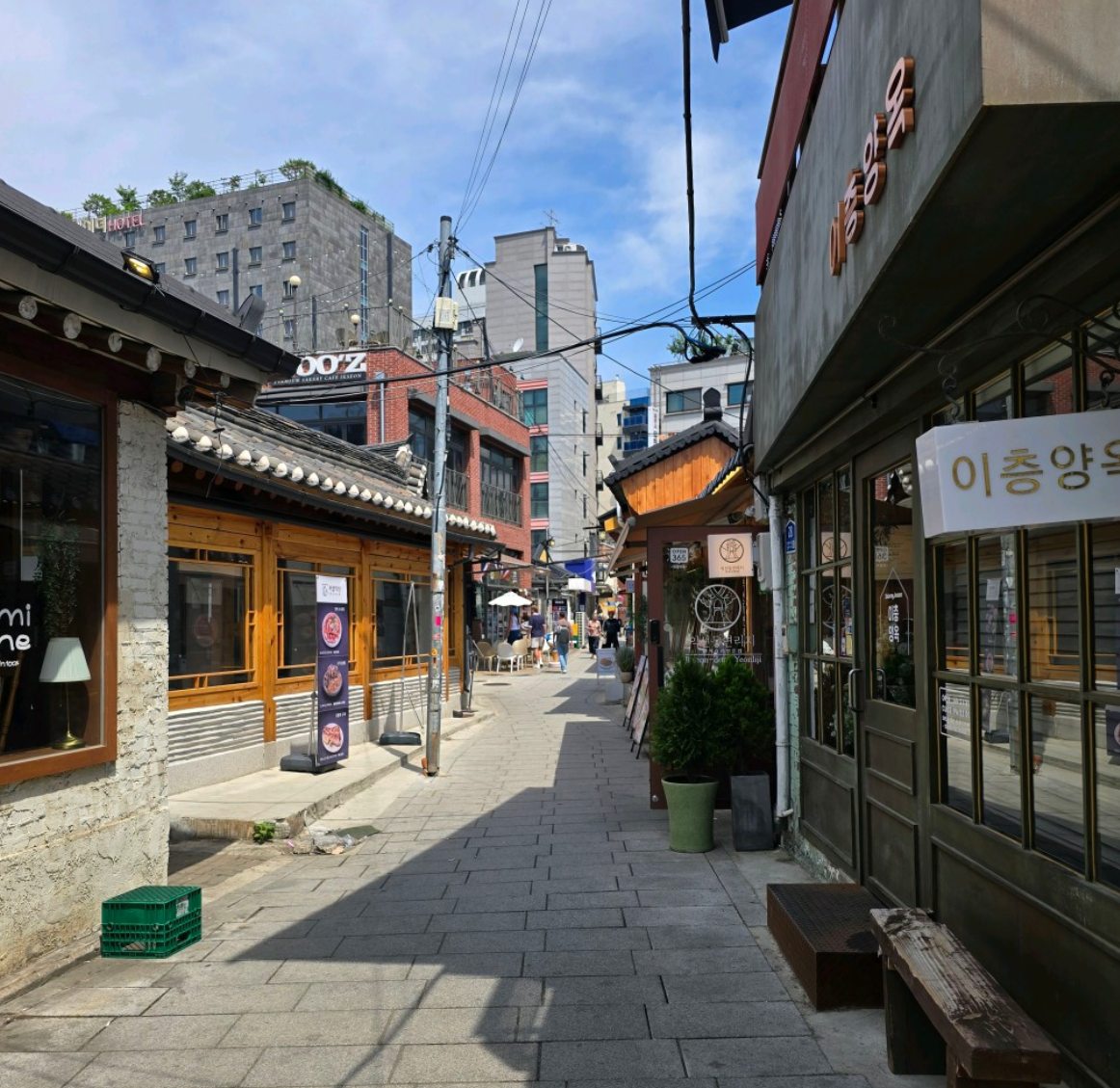
Ikseon-dong is best explored without a rigid route. Its lanes twist around low buildings and often lead to courtyards or shops that are easy to miss from the main street.
Save one or two places on your map, but leave time to wander. Look beyond the storefront signs: tiled eaves, brick walls, timber frames and modern buildings rising behind the hanok tell the story of a neighborhood that has changed without losing its shape.
Old Seoul and “newtro” Seoul share the same room
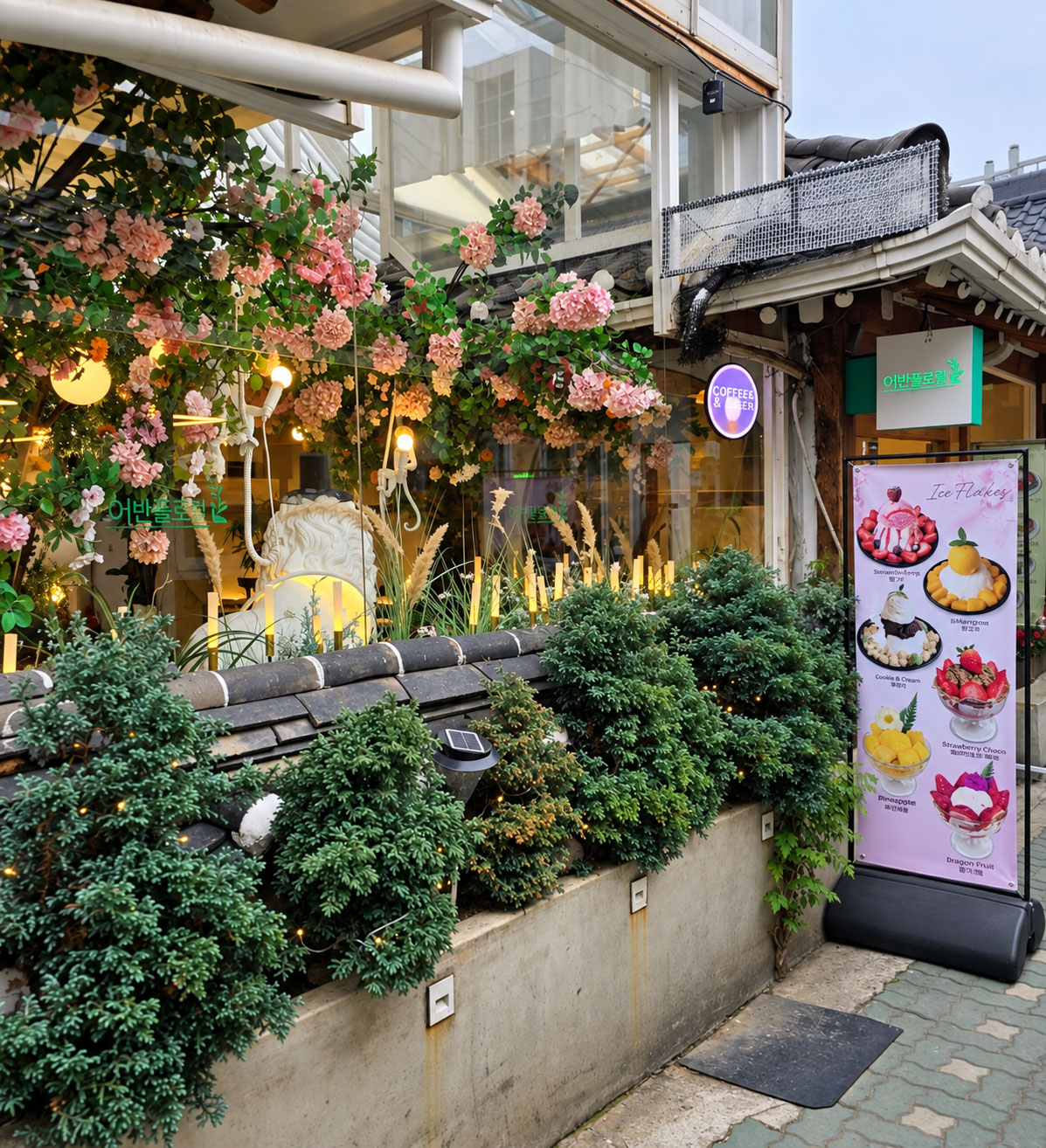
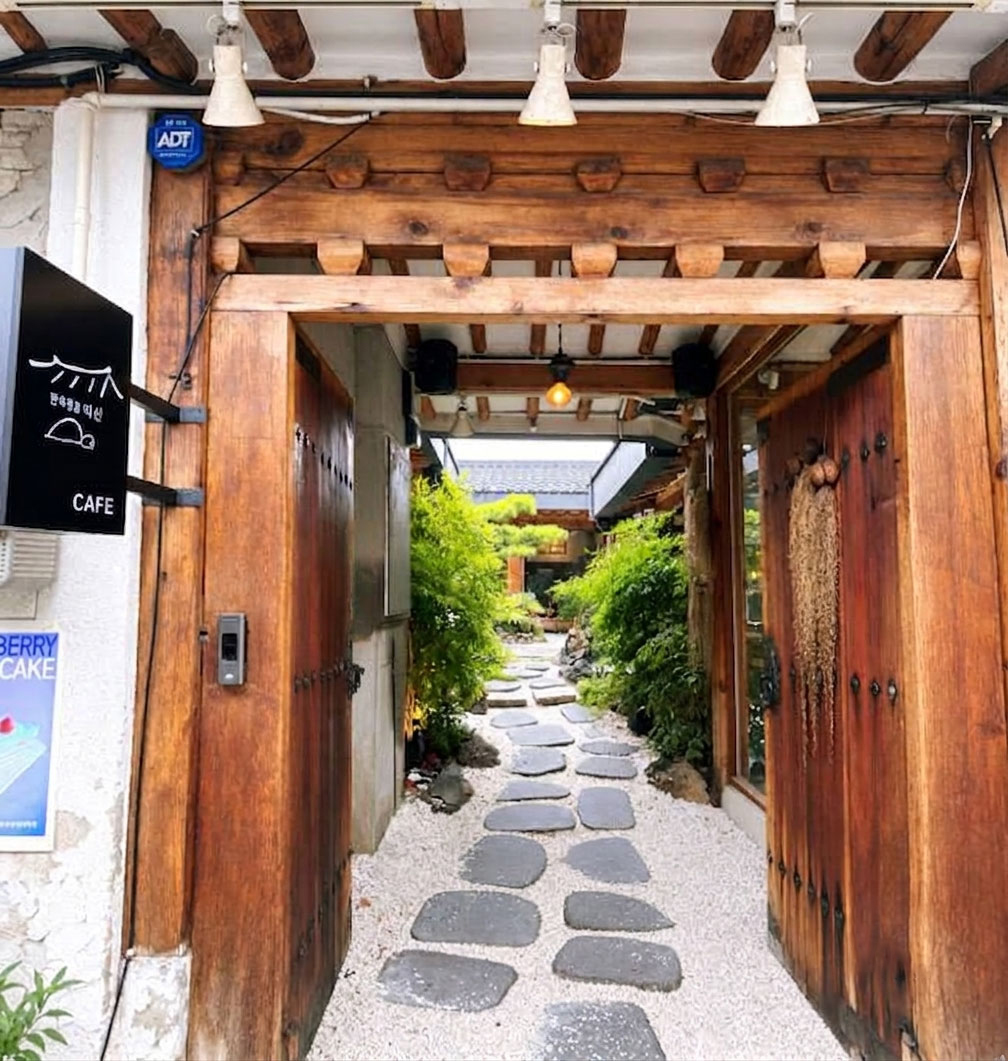
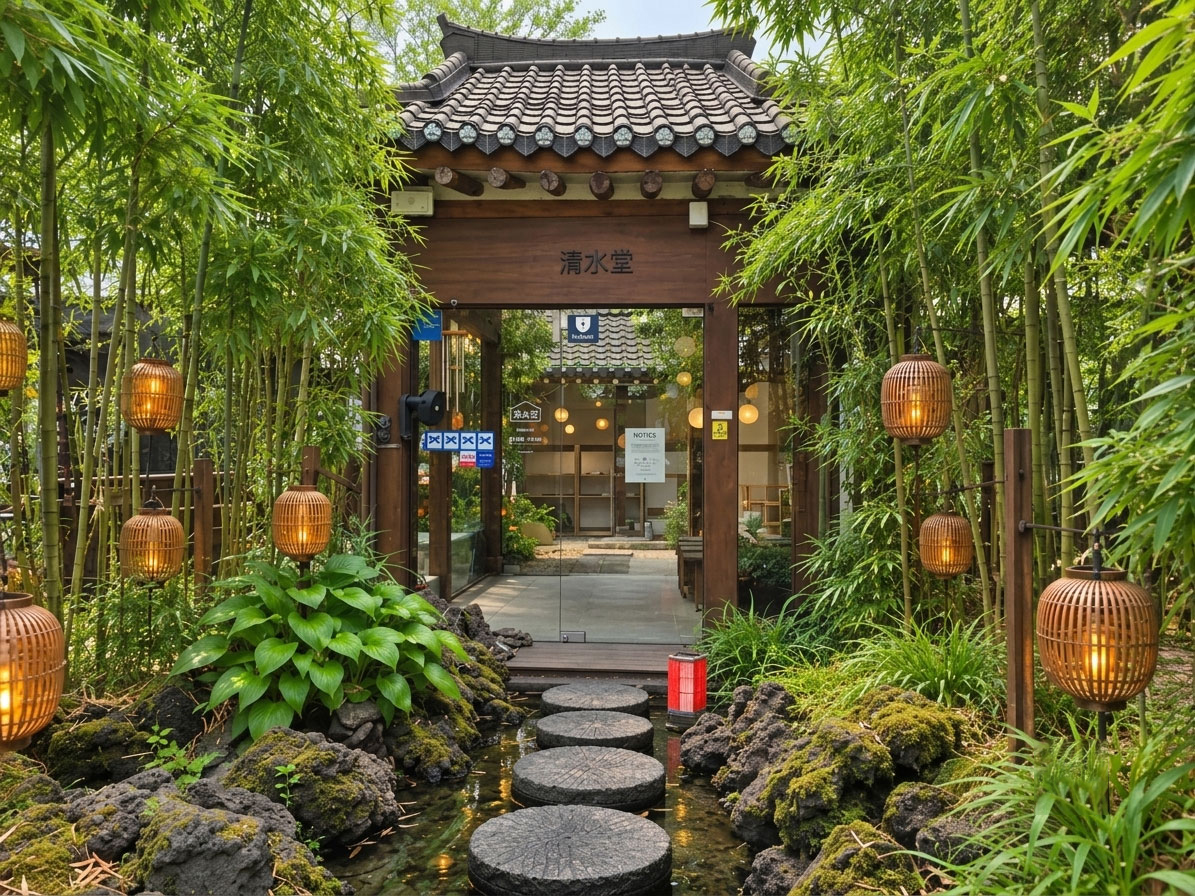
Much of Ikseon-dong took shape in the 1920s, when small urban hanok were built as practical homes rather than grand residences. Today’s businesses have adapted those rooms with glass roofs, open courtyards, modern lighting and compact counters while leaving many of the original timber details visible.
In Korea, this mix of old and new is often called newtro. In Ikseon-dong, it is built into the rooms themselves rather than added as a decorative theme. A traditional courtyard may sit beside a glass wall, while exposed rafters hang above a contemporary dining room.
How a planned neighborhood became a café district
Ikseon-dong’s narrow grid was not an accident. Visit Seoul describes it as Seoul’s first planned residential area. In the early 1920s, during the period of Japanese colonial rule, the developer Jeong Se-gwon bought land here, divided larger traditional houses into smaller units and, according to Visit Seoul, sold them only to Koreans. That decision is why the neighborhood is made of compact hanok rather than large estates.
The area’s later history was less tidy. Visit Seoul notes that Ojinam, described as Korea’s largest yojeong, or traditional entertainment house, opened in 1953 on the site now occupied by the Ibis hotel. It attracted political figures and brought related trades with it, including hanbok and fortune-telling shops, some of which are still found nearby. The neighborhood then received little attention until the early 2010s, when new businesses began moving into the old houses and the café, boutique and restaurant scene took shape.
That history is useful when you walk. The tight lanes follow the original plan, many storefronts occupy former homes, and the evening crowd is a recent chapter, not the neighborhood’s whole story. Visit Seoul also mentions pojangmacha, the street-food tents that are increasingly rare in the city, as part of the evening atmosphere here; availability varies, so treat them as a bonus rather than something to plan around.
The small hanok create an unusually intimate atmosphere
Ikseon-dong feels intimate because everything is close: roofs, doorways, tables and people. From a café seat, you may be able to see the rafters overhead and the tiled roof across the lane.
The same small scale can also make the area crowded. Popular venues have limited seating, and queues can spill into narrow passages. Step-free access varies from building to building, so travelers with mobility needs should check with individual venues in advance. When taking photos, keep doorways and walking routes clear.
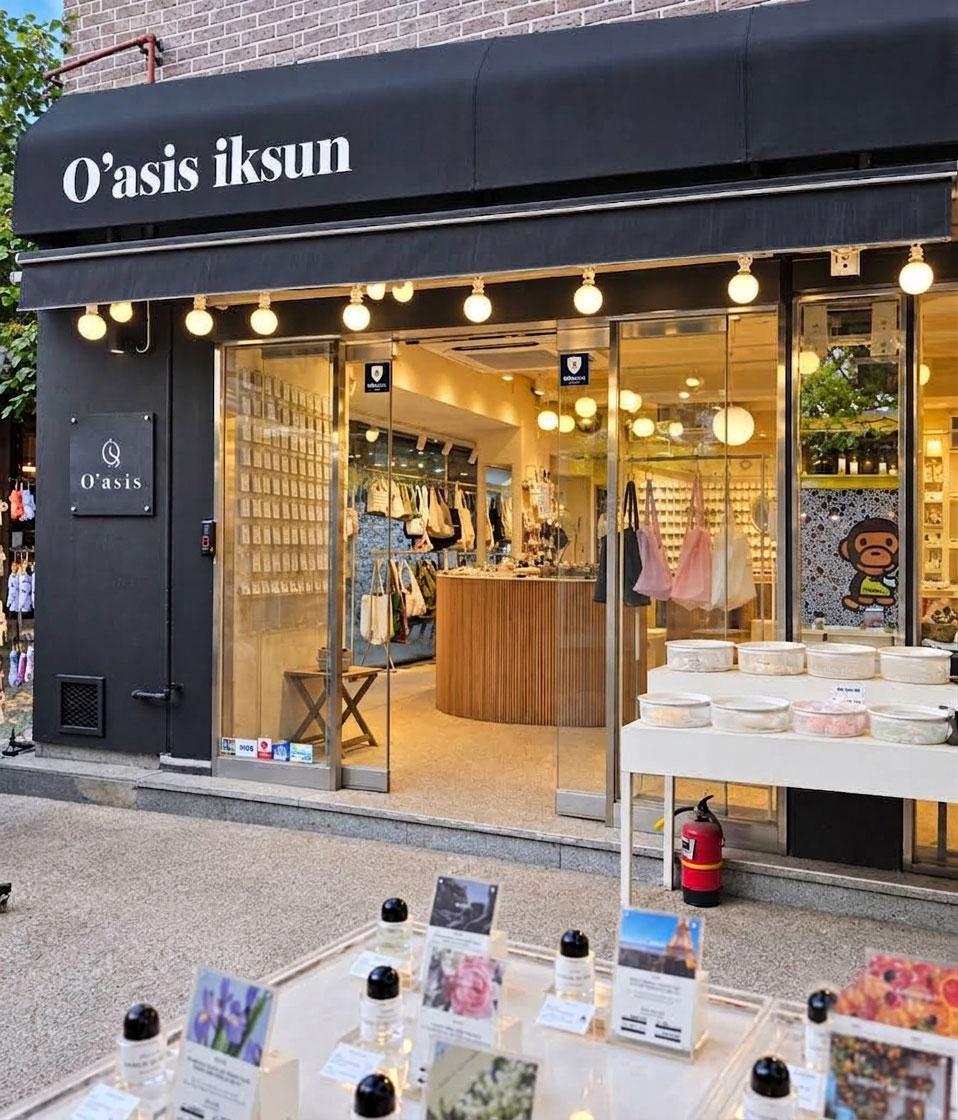
Daylight and evening offer two different moods
Daylight is best for noticing the architecture: roof tiles, brickwork, wooden doors and the glass added to old courtyards. After dark, warm light from cafés and restaurants changes the mood, and the neighborhood becomes a popular place for dinner and evening dates.
Visit on a weekday morning for a quieter walk. For the evening atmosphere, arrive later and allow extra time for queues. The lanes remain accessible throughout the day, but every business sets its own hours; check a particular venue before making a special trip.
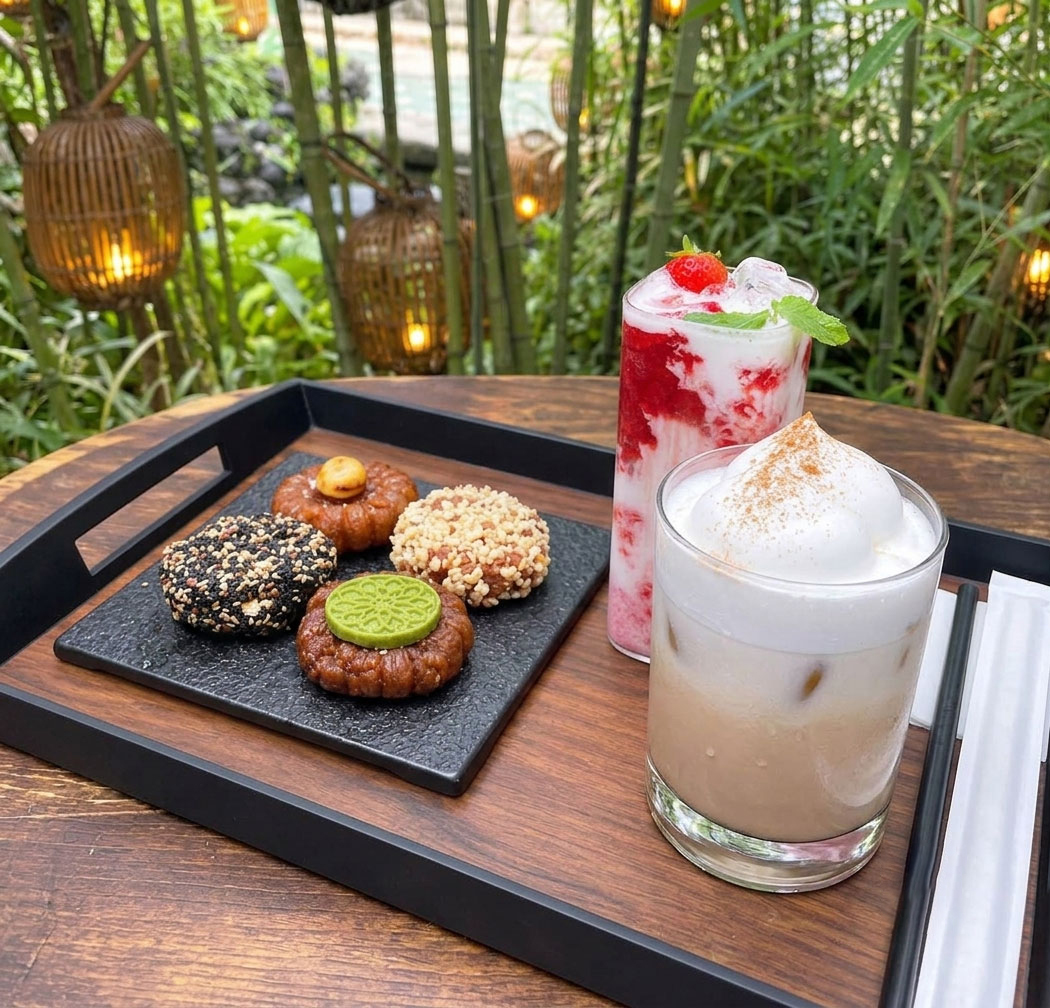
How to visit Ikseon-dong
- Nearest station: Jongno 3-ga Station on Subway Lines 1, 3 and 5. Exits 4 and 6 both provide an easy approach, depending on which part of the neighborhood you visit first.
- Time to allow: Two to three hours for a relaxed walk and one café stop; longer if you plan to eat or shop.
- Best pairing: Walk onward to Jongmyo Shrine, Changdeokgung Palace, Insa-dong or Nakwon Music Mall rather than crossing the city for a second attraction.
- Cost: The streets are free to enter. Food, drinks and activities are priced by each business.
- Parking: There is no dedicated visitor parking, so the subway is the simpler choice.
Our recommendation: Treat Ikseon-dong as a neighborhood to explore, not a list of famous cafés to complete. One planned stop is enough; let the rest of the visit take shape as you walk.
Map: Ikseon-dong Hanok Village
Sources and review
Source check: 19 September 2026; historical details added 4 October 2026 and checked against Visit Seoul on 3 October 2026. The practical details were checked against official tourism information. Business hours and access conditions can change, so confirm any specific venue before travel.
- Korea Tourism Organization: Ikseon-dong Hanok Street
- Visit Seoul: Ikseon-dong Hanok Village
- Visit Seoul: Where Tradition Meets Trend